



Do you ever notice that your brain power seems to be waning? You know, those moments when the more you have to use it, the less energy it seems to have. This is due to a phenomenon called “brain fatigue.” And when your brain is tired, so are you. The result? Poorer performance at work, less energy, and concentration levels that don’t make anyone happy...
“Nootropics not only help you focus better at work, they also boost your learning ability and the amount of information you can retain. They’re all-around powerhouses for your brain.”
The powerhouses for your brain: nootropics
The good news is that there are ways to combat brain fatigue and get back on track. One way is by taking so-called nootropics, supplements claimed to improve cognitive function in healthy people and, according to some, even used as an alternative treatment for diseases like Alzheimer’s and Parkinson’s (though there is no conclusive scientific evidence for this). Nootropics include natural substances such as vitamins and minerals; synthetic compounds, as well as actual medications. And the best part of all? You can also find a number of these brain boosters in our online store! Let’s take a look...
What are nootropics?
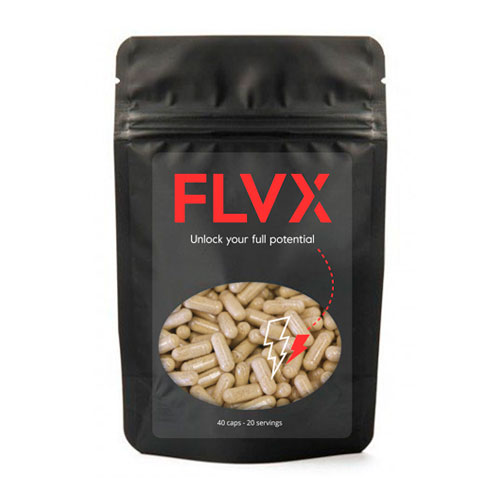 Do you know that feeling when you’re at work and your mind just isn’t there? Maybe you’re staring out the window or playing with your phone, but whatever you’re doing, it’s probably not productive. This often happens because we’re no longer stimulated enough to stay focused on our tasks. We’ve seen just about everything, so nothing really excites us anymore. But what if I told you there’s a quick fix for this? Well, now you don’t have to worry about getting bored at work again! Meet these powerful supplements like FLVX or the“Concentration Pill”—according to many, true “magic pills” that keep you working hard all day long! It will even help you focus more on your tasks and less on distractions like social media or those funny cat videos your partner keeps sending you...
As briefly described above, nootropics are supplements claimed to improve brain function. Nootropics include natural substances, synthetic compounds, and even prescription medications. Most people take nootropics in pill form, such as the popular Study Pill, but some users find them more effective when brewed into tea, for example. It is unknown whether nootropics alone can improve intelligence, but it is assumed that they can be used by healthy, intelligent people as part of their learning process or to maintain or achieve high levels of cognitive performance.
The use of nootropics has been studied for its effects on mood stability (anxiety), healthy aging processes (cognitive decline), and also on diseases such as Parkinson’s disease, Alzheimer’s disease, and ALS. Some studies have demonstrated biochemical changes in the brain following long-term use of nootropics. Although nootropics are often considered safe, their long-term effects on the brain are not yet fully understood in some cases.
How do nootropics work?
Nootropics work in different ways, depending on the specific compound or substance. Some, such as caffeine and nicotine, influence physiological factors that make us feel more awake or alert. Others alter the functioning of neurotransmitters in our brains by changing the number of receptors they bind to, thereby altering communication between neurons. Both of these processes influence the speed at which information is processed and the amount of data we store in our brains.
So-called neurohackers use nootropics to boost memory and improve learning ability. Luckily for you, we have quite a few of these products in our range that can give your brain a boost, such as ginkgo biloba, gotu kola, and Panax ginseng. A huge number of people take nootropics to help them perform better at work or school by enabling them to think more clearly or stay focused longer. And let’s be honest: there’s nothing wrong with maximizing your brainpower, as long as you use it wisely—after all, many people rely heavily on caffeine every day just to get through their workday!
What are some popular nootropics?
 Some well-studied nootropic compounds include choline, caffeine, and racetams. Choline is a precursor to the neurotransmitter acetylcholine; it can influence cognitive function by enhancing our memory capacity. Caffeine increases alertness and helps us focus on tasks, allowing us to be more productive overall. It can also improve long-term memory retention. Racetams are similar to stimulants like amphetamine or cocaine, but they are not addictive and actually alleviate anxiety rather than causing it.
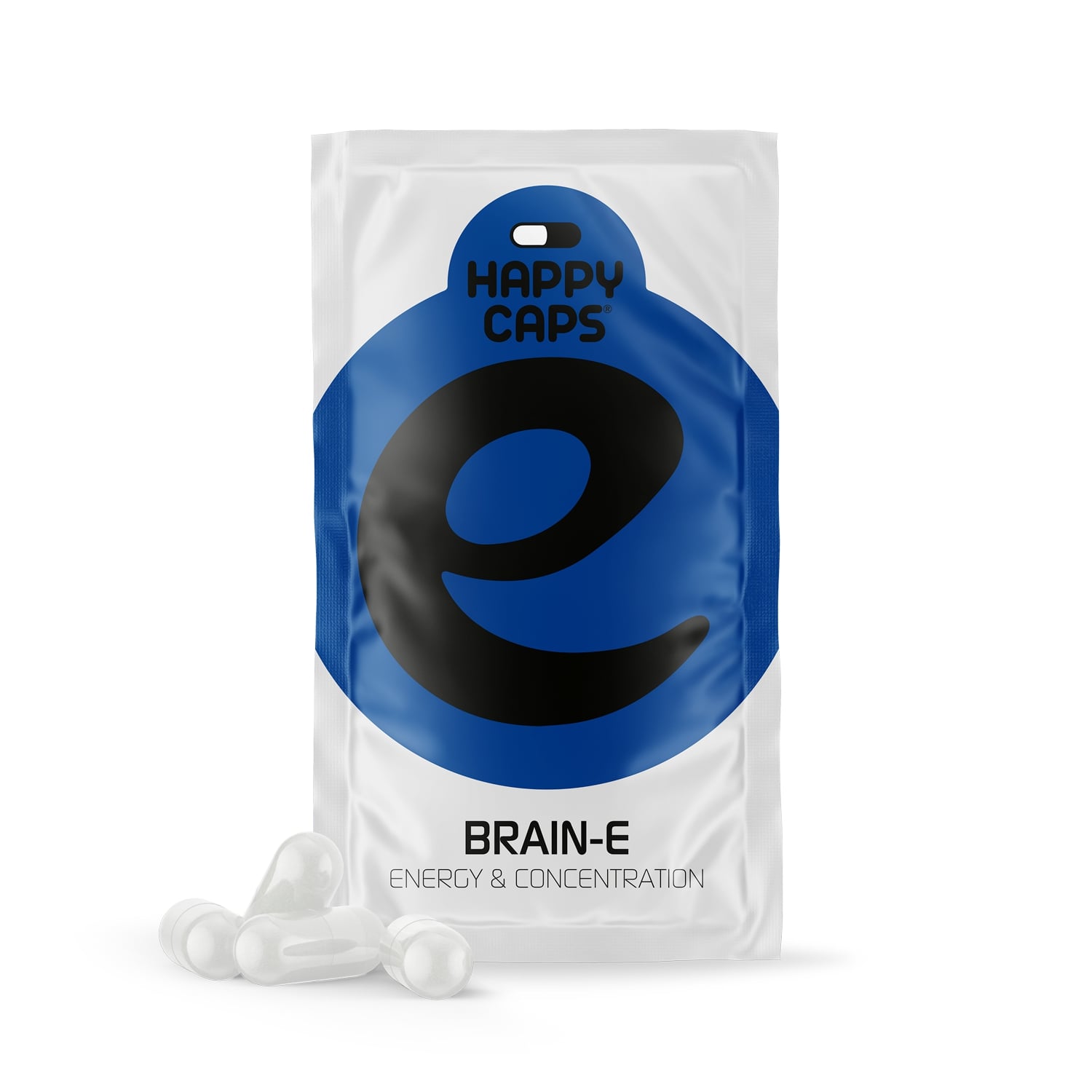
One of the most popular nootropics available today is Brain-E. Brain-E—one of the most popular Happy Caps —enhances your focus and concentration for hours, helping you get the most out of your work or studies. It consists almost entirely of various nootropics: natural substances (often herbs) believed to improve, for example, your thinking and work performance. Your hippocampus—the part of the brain responsible for various bodily functions—works like never before with these capsules. Stay on top of things with these amazing capsules. Are you cheating with Brain-E? Not at all! Caffeine, L-Theanine, and Rhodiola Rosea (also known as golden root) are all known for their strong and immediate effects. And you guessed it: By taking a Brain-E capsule, you send them all into your bloodstream at once. Want to experience the powerful effects of these nootropics for yourself? Then click here!
Are Happy Supps dangerous?
The term "Happy Supps" refers to Happy Caps: herbal capsules sold under names such as Brain-E, Party-E and Trip-E. Each variant contains a different blend of plant extracts, amino acids and sometimes caffeine. Whether they are dangerous depends on context.
The ingredients in Happy Caps are legally available and largely rooted in herbal medicine. Brain-E contains choline, willow bark extract and caffeine, among other things. Party-E combines Dendrobium nobile extract with passionflower and caffeine. On their own, these substances are not dangerous for healthy adults who stick to the recommended dosage: a maximum of 2 capsules per 24 hours, taken on an empty stomach about 45 minutes before the desired effect.
Risks appear when the products are misused. Never combine Happy Caps with alcohol, medication (particularly MAO inhibitors or blood pressure medication) or other stimulants. If you are pregnant, breastfeeding or have a heart condition, do not use them without consulting your doctor. People sensitive to caffeine are more likely to experience side effects such as palpitations, restlessness or insomnia.
In short: when used responsibly by healthy adults, Happy Caps are comparable to a strong cup of coffee combined with herbs. The key factors are dosage, combinations and your own health.
Are there any negative side effects associated with using nootropics?
Nootropics are supplements that improve mental functions, such as memory, intelligence, and concentration. They include substances like caffeine and modafinil. The term “nootropic” was coined in 1972 by Dr. Corneliu E. Giurgea to describe his invention of Adderall (dextroamphetamine). That said, because of their powerful effects, nootropics also come with potential side effects that can be harmful to some people who take them without first consulting their doctor. Some of these side effects include addiction, withdrawal symptoms, brain fog, headaches, and heart palpitations, but there are also positive effects, such as increased productivity and creativity while using nootropics.
For example, nootropics are known to cause addiction in people who use them frequently and continuously experience their positive effects. Addiction can make you feel like you always need the substance—something that is common with coffee, for instance (which is also a nootropic). The withdrawal symptoms from nootropics can even be incredibly unpleasant. These symptoms can include: headaches, irritability, lightheadedness, dizziness, trouble concentrating, and feeling tired (how ironic...).
Another example is the brain fog you may experience. This brain fog involves a feeling of mental “haze” and difficulty focusing on tasks. It should be noted, however, that these symptoms are much more severe for those who use nootropics frequently, as their bodies have become accustomed to them. To prevent addiction and negative side effects from daily use of nootropics, take them only under a doctor’s supervision for an appropriate period of time or use them only during shorter periods.
Conclusion: Use nootropics, but in moderation
As you can see, there are both positive and negative side effects associated with the use of nootropics. Our advice is to take such powerful substances that can affect your brain function in moderation and only when you truly believe you need them!


