

Here at Dutch-Smart, we often discuss the most fascinating substances, particularly so-called entheogens. These specific substances possess psychoactive properties that, when ingested, induce an altered state of consciousness. It is believed that their use is closely linked to the evolution of the human species, the emergence of primitive shamanism, the existence of religion, and many other aspects of life. Today, these substances are often used for recreational purposes, but these psychedelics have a long history of spiritual use—especially in regions we now know as North America.
Read also: This is why cannabis gives you such a massive munchies
Growing interest in psychedelics
Over the years, the use of these substances became a central element of tribal ceremonies of spiritual guidance and purification, although the clash with the prevailing religious worldview in the West resulted in a decline in their use, as well as the banning of some of these rituals. Since the 1950s, however, countries around the world have become increasingly interested in the healing and integration process that these substances facilitate within the human psyche.
One of the places on Earth where psychedelics seem to thrive best is the region now known as Mexico, as well as some of the surrounding countries. Today, we’re going to talk about some of the most amazing and powerful plants and entheogens found on the American continent. Trust us when we say you won’t be disappointed by what this region has to offer. And the best part of it all? You can find virtually all of these plants on Dutch-Smart!
Read also: Study: A joint after work is totally harmless!
Ayahuasca
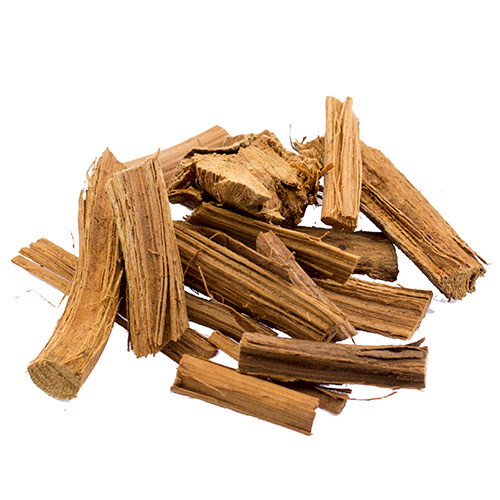 Starting with what is perhaps the most intense psychedelic of them all: Ayahuasca. It is said that ayahuasca has been consumed for over 6,000 years by the ethnic groups of the Brazilian, Peruvian, Ecuadorian, Venezuelan, and Colombian Amazon. This “Amazonian brew” contains two plant species: Psychotria Viridis (chacruna) and Banisteriopsis Caapi (ayahuasca), with the former containing the psychedelic compound DMT, while the latter contains a so-called MAOi, which activates the DMT in the human body, as it were, when taken orally.
Ayahuasca is used in South American healing rituals to purify the body and mind and to access heightened states of consciousness, resulting in a lasting change in one’s worldview. Elements such as laughter and crying are very common during this form of purification, as are continuous vomiting and diarrhea. But above all, ayahuasca users often report the presence of a loving female figure who guides them on this journey, often called “Mother Aya.”
Read also: 10 things you need to know before buying your first vaporizer
Peyote
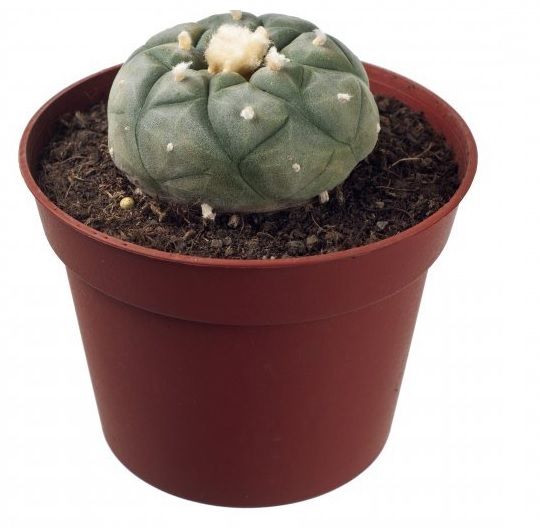 When you think of Mexico, you undoubtedly think of deserts filled with cacti (and burritos and nachos!). Well, peyote is one of those cacti that grows in the desert regions of northern Mexico and the southern United States. Since pre-Columbian times, its consumption has been encouraged by North American ethnic groups such as the Huichols, Rarámuris, Navajos, and Mexica, which gave rise to a surge in indigenous spirituality focused on connecting with the desert and the spirits that inhabit it.
The substance that makes peyote so special is called mescaline. This substance gives this cactus its purifying power in both body and mind. Peyote is consumed in sacred ceremonies led exclusively by the shamans of the aforementioned ethnic groups. Currently, the Huichol indigenous community has taken the lead by traveling to various cities around the world to share what they call “medicines.” One particularly interesting ceremony involves a long desert hike during which participants search for “Abuelo Peyote.” When they find it, these unique cacti are consumed in the middle of the desert.
Read also: Magic mushrooms are taking over the world (and becoming legal!)
Magic Mushrooms
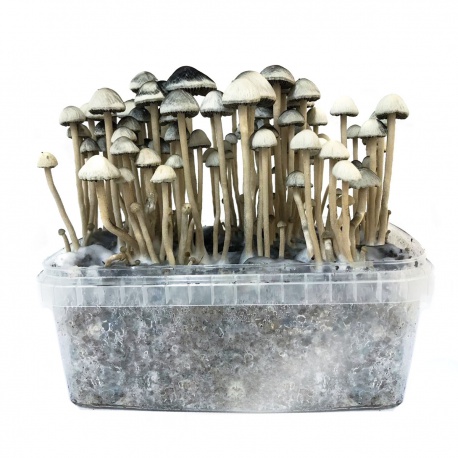 Probably the most popular psychedelics among Dutch-Smart visitors: magic mushrooms, also known as Psilocybe. These special mushrooms have been used for millennia by ethnic groups in central Mexico and Central America, especially by the indigenous Mazatecs in northern Oaxaca, southern Puebla, and Veracruz. In those regions, the mushrooms are used to make contact with spirits and elementals, with the aim of receiving guidance and protection. As you probably know, psilocybin and psilocin are the active compounds in magic mushrooms and in our magic truffles.
In certain regions of the American continent, magic mushrooms are called Tehuanácatl in Nahuatl, which translates to “flesh of the gods.” These mushrooms have long served in the Aztec world as a fundamental part of their ancient worldview, celebrations, and healing rituals that were generally accessible only to the nobility. It wasn’t until the 1950s that several American researchers arrived in Mexico, drawn by the stories of a mysterious indigenous woman from the Mazatec people named María Sabina, who used this type of mushroom in a ritual-ceremonial format of spiritual healing. Today, the use of magic mushrooms is hugely popular for recreational purposes, but there is no doubt that the mystical aspects of magic mushrooms are the most intriguing.
Read also: Meet psychedelic thought leader Mike ‘Zappy’ Zapolin
Salvia Divinorum
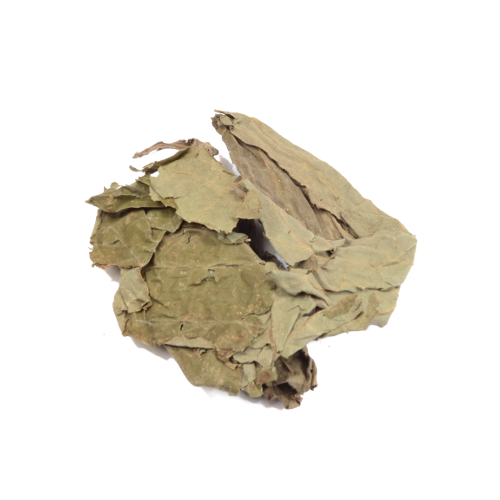 Remember when we talked about ayahuasca being the most intense psychedelic out there? Well, not everyone agrees. Another contender for that number one spot as the most extreme psychedelic is Salvia divinorum, a shrub native to Oaxaca, Mexico, which the indigenous Mazatec tribes have been using for centuries for spiritual and medicinal purposes. Salvia divinorum, also known as sage, has been used for centuries by various civilizations in the Americas, where it was employed to aid in physical and spiritual ailments through the visions experienced by shamans.
Salvia is a powerful naturally occurring hallucinogen that induces a world of visions and experiences. It distorts reality and intensifies the five senses to extreme levels, although the exact effects depend on the dose. The active compound in Salvia divinorum responsible for its effects is salvinorin-A, a potent psychotropic molecule that is not an alkaloid like many other psychedelics. Salvinorin-A is rather a terpenoid, the same type of organic chemical to which cannabinoids belong. In short: Salvia divinorum is an extremely potent psychedelic that must be used with caution, but it has the potential to induce one of the most profound psychedelic experiences you will ever have.


